
Situated in the northern district of Baybay City in Leyte lies one of the last remaining rainforests in the Philippines. The 3,770-feet high Mount Pangasugan is very steep with dense tropical vegetation, making it a home to an astonishing number of endemic flora and fauna species.
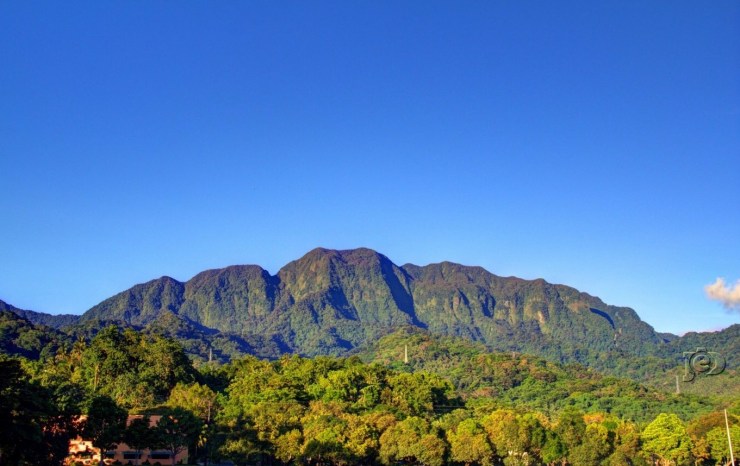
Mount Pangasugan is an abundant source of spring water in Baybay City and some nearby towns. The Visayas State University (VSU) takes pride to have the picture-perfect mountain as the campus’ natural backdrop. During hot weather, you can witness the mountain’s lush greenery and several waterfalls on the mountain slopes are visible from the university during the wet season.
A REMARKABLE DISCOVERY
The mountain is carefully protected by scientists and researchers from the Visayas State University (VSU) where they found numerous plant and animal species listed by the World Conservation Union in the Red List of Threatened Animals (IUCN Red List), including the Philippine Tarsier, Philippine Flying Fox, and the Fischer’s Pygmy Fruit Bat. You read it right, tarsiers are not only found in Bohol, they also have a haven in Leyte.
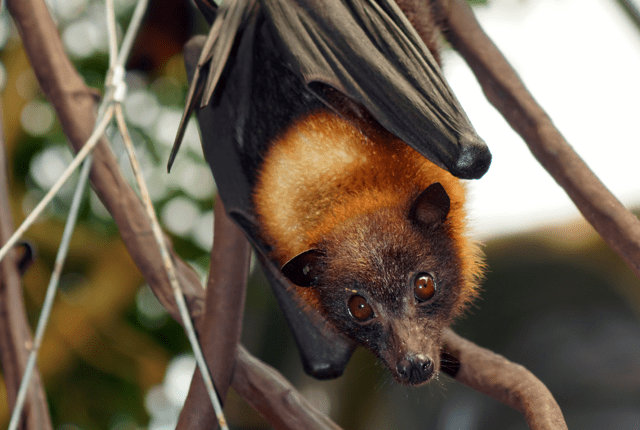
Researchers from VSU also discovered new records of a microbat (Hipposideros obscurus), with a length of 5.5 centimeters and body weight of 10 grams, a type of skink (Tropidophorus grayi), and two new species of the Gobiidae fishes (Stiphodon olivaceus and Stiphodon surrufus).
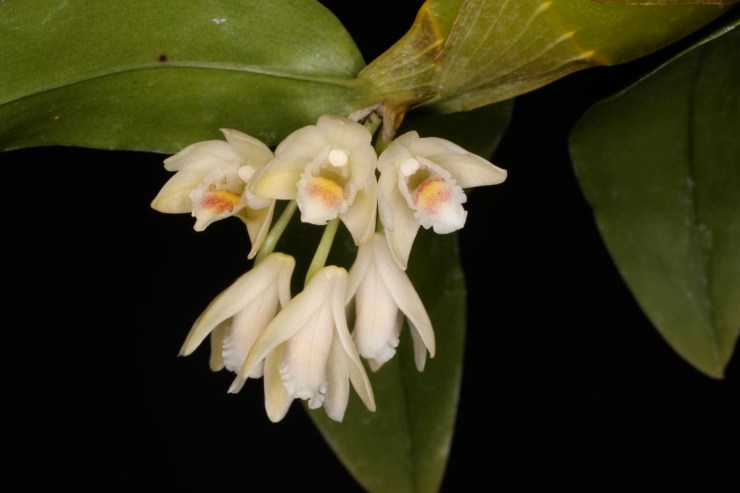
VSU’s Natural History Museum collected 43,000 arthropod* specimens from 377 families and 500 genera* from the mountain. A new species of orchid, Dendrobium Milaniae and a tiger beetle, Thopeutica Milaniae were named in honor of Dr. Paciencia Po-Milan, a renowned ecologist, who also served as president of the university. I know, it’s an interesting fact! Other endemic species discovered include:
- Eagle Owl
- Philippine Hawk-Eagle
- Rufous-Lorde Kingfisher
- Philippine Leafbird
- Miniature Tit-Babbler
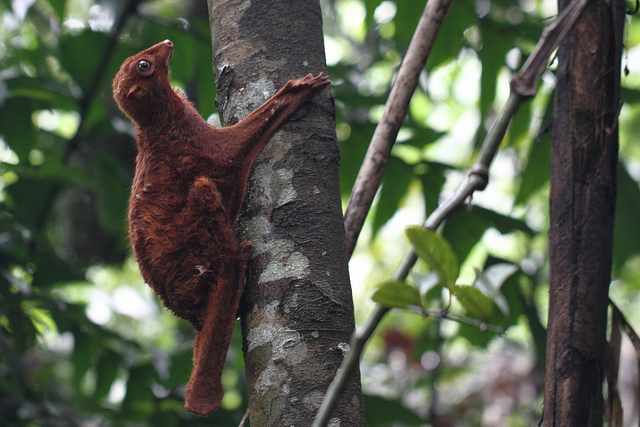
- Philippine Flying Lemur
The Federal Republic of Germany (through the VSU-GTZ Applied Tropical EcologyProgram) funded VSU study to collect, identify, describe and document the existing species of aroids (Araceae) and orchids in Mount Pangasugan. 25 species of aroids representing 12 genera were documented at elevations of up to 350 meters above sea level. Classified as erect ground dwellers or climbers, the most dominant aroid (a plant) belong to Pothos and Epipremnum. The orchid species represent 16 genera*, with the most dominant belonging to Phalaenopsis (Moth Orchids).
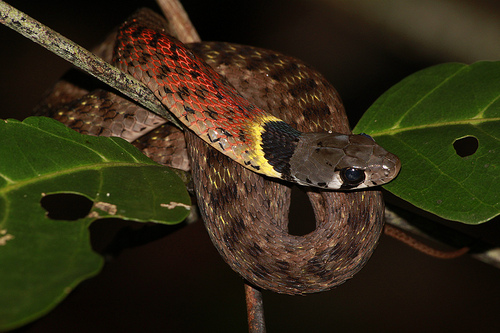
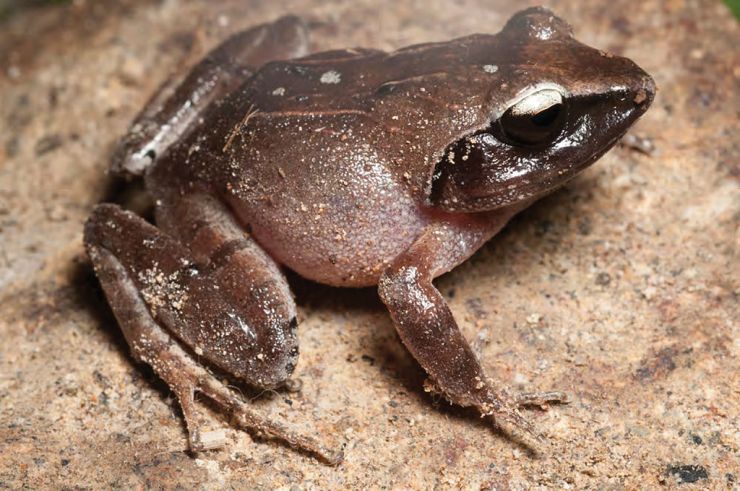
The Herpetofauna (reptiles and amphibians) of Mount Pangasugan is a habitat to endemic species, which is so diverse and slightly distributed. The Mindanao State University-Iligan Institute of Technology (MSU-IIT) identified 17 herpetofaunal species belonging to 6 families (Ranidae, Rhacophoridae, Agamidae, Scincidae, Colubridae, Viperidae), of which eight (47%) are endemics. These endemic species include:
* Limnonectes magnus (frog)
* Platymantis corrugatus (frog)
* Platymantis dorsalis (frog)
* Brachymeles samarensis (skink)
* Draco lineatus (lizard)
* Sphenomorphus jagori (lizard)
* Rhabdophis lineata (snake)
* Trimeresurus flavomaculatus (snake)
*JARGONS SIMPLIFIED:
Anthropods – Are invertebrate animals having an exoskeleton, a segmented body, and jointed appendages. Arthropods form the phylum Arthropoda, which includes the insects, arachnids, myriapods, and crustaceans.
Genera – Plural form of genus. It is a taxonomic rank used in the biological classification of living and fossil organisms in biology.

 discoverbaybay.travel.blog
2 thoughts on “Leyte’s Majestic Mount Pangasugan: A Pristine Rainforest”