
Early Beginnings
The Augustinian Friars who came from Europe founded the Baybay parish in 1567. That year, the Augustinians conceded the parish to the Franciscan friars who devoted themselves to the organization of the ancient system of barangays and persuaded the natives to settle down near a church
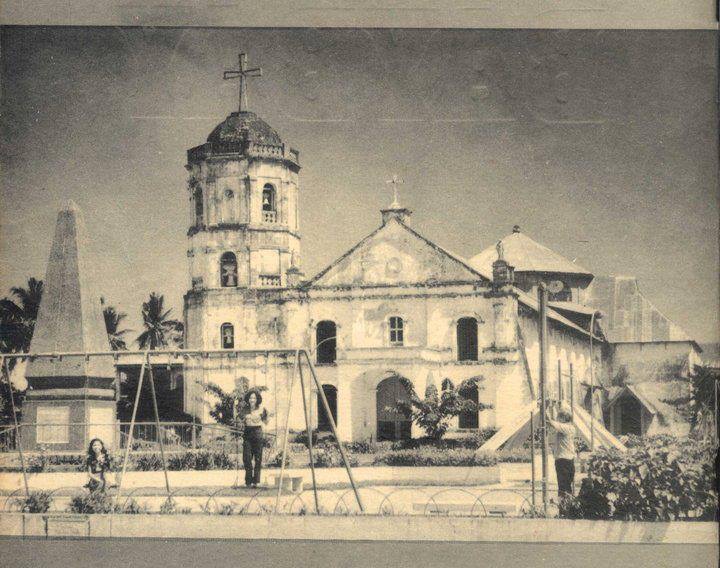
When the town of Palompon became a parish, Baybay fell under its ecclesiastical jurisdiction. The original site of the town was in Punta, which is now a barangay situated on a hill through which the provincial road to the south passes. The people under the leadership of Father Juan Pagpag built the first church of Baybay, which still stands today.
They constructed a stone watchtower or a fort for better protection againts Moro raids. Unfortunately, Father Pagpag could not stay long and had to return to Palompon. The people had a hard time fulfilling their religious duties so they have invited another priest.
A New Settlement
On January 8, 1831, the inhabitants led by Father Antonio Ma. del Rosario established a better and more spacious place as permanent settlement, the present site of Baybay City. By superior approbation of Father Julian del Rosario, Baybay was created a parish on September 8, 1835 with the invocation of Our Lady of the Immaculate Conception. However, the town was erected as an independent parish on February 27, 1836.
The Construction
This plan to build a bigger and more durable Church did not materialize until the term of Father Vicente E. Coronado as parish priest. To execute the plan, Father Coronado employed the services of Mariano Vasnillio, under whose engineering administration the church of Baybay began to take shape in 1852.
The people showed approval and cooperation. They rendered free labor fee in quarrying, cutting and hauling logs, brick making, preparing the lime mixture, as well as doing actual construction work. Despite this excellent cooperation, the construction lagged for ten years, after which the work was resumed under the supervision of Maestro Proceso, who was invited from Manila to finish the construction.
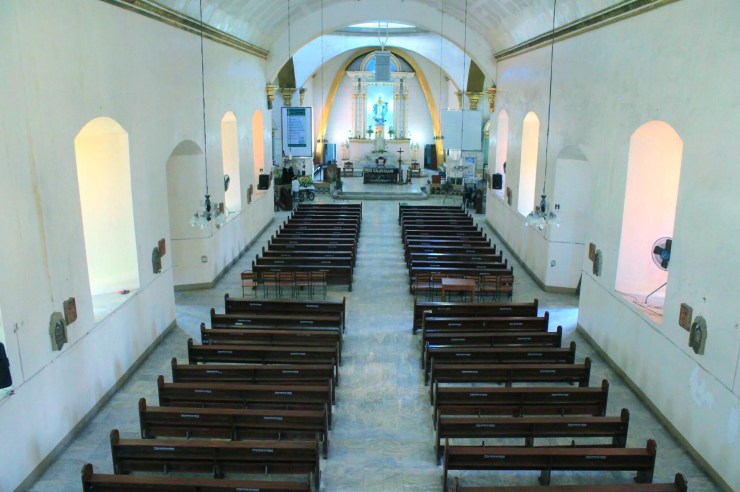
The church was finally completed, inaugurated and blessed under the pastoral administration of Fr. Lucas Sanchez after a renowned sculptor and painter, Capitan Mateo Espinoso, put on the finishing touches in 1870. The altar and the rails as they stand today are credit to his ingenuity.
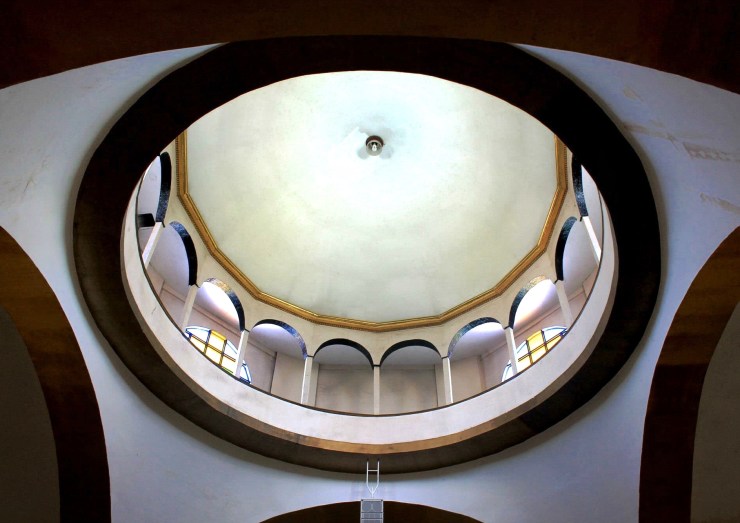
The church underwent several renovations. One of the major interior renovations took place between 1954-1958 based on photographic evidences. The original wooden retablo was knocked down and replaced with molded concrete in neo-classical design.
Architecture & Design
The people behind the church construction established a style of building and design that was adapted to the physical conditions in the Philippines influenced by the earlier churches in the country.
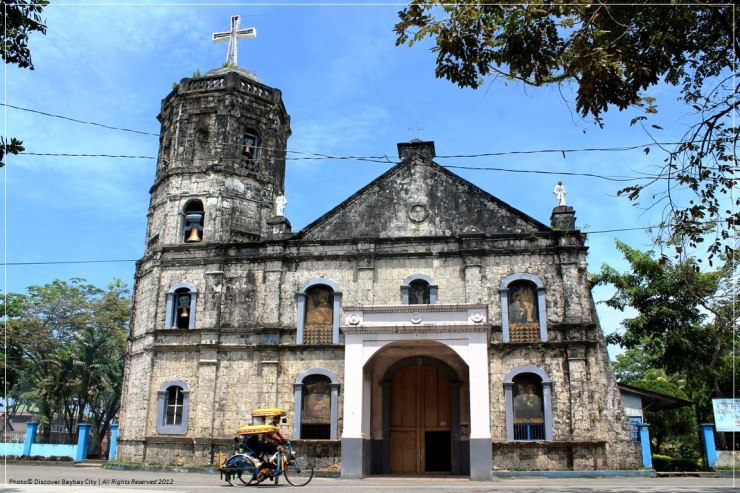
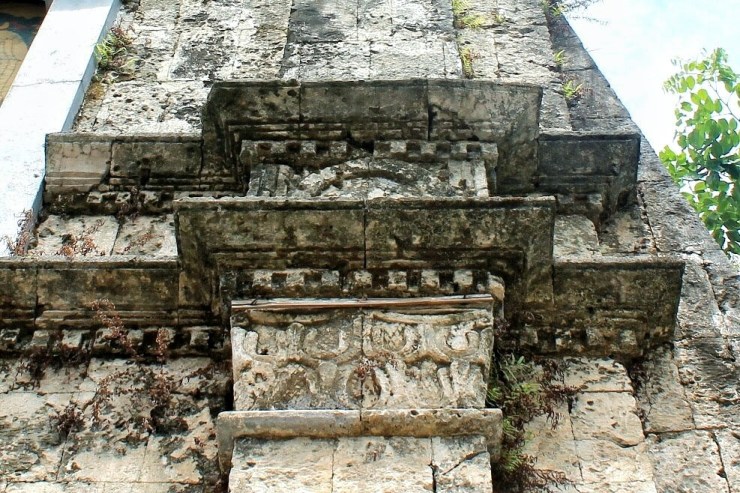
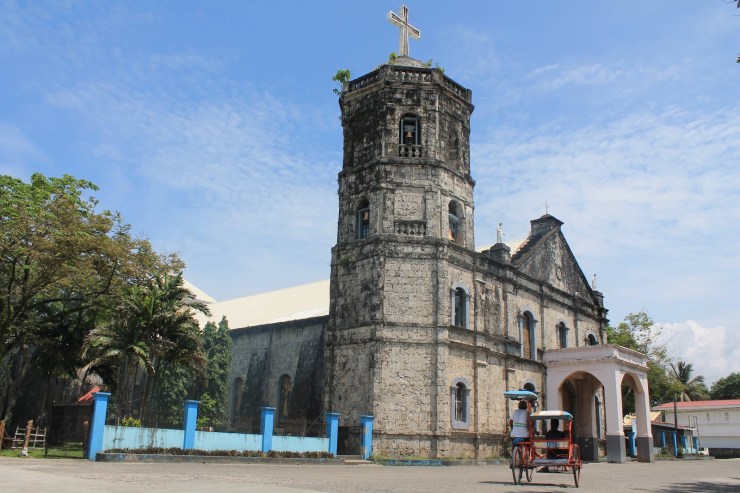
The church was made out of baked bricks and coral rocks. It is a Philippine interpretation of the Baroque style of architecture, and represents the fusion of European church design with local materials and decorative motifs forming a new church-building tradition in the country that time.
The Grand Altar
https://instagram.com/p/BS7WcSWgSTg/
The grand altar is a Neoclassical design with its four columns made of marble. The current image of the Immaculate Conception is made of concrete. The original antique image was made of wood and ivory but is kept for preservation.
The Glorious Bell
The largest bell inside the imposing belfry of the church has a Spanish inscription that says: “Purisima Concepcion. Fundida Por Saturnino Umcano En Binondo 25 Octb 1865”
Translation: ‘La Purísima’ is a celebration to the ‘purest conception of Virgin Mary’, taking place on December 8th, according to the Catholic calendar. Well, we translated it in English for you and it simply says: “Molten by Saturnino Umcano in Binondo on October 25, 1865.” Oh yes, the bell is 151 years old!
The church of Baybay was built to withstand gale, shock and fire, as well as to provide arresting and majestic physical symbol for the Christian faith that the people had accepted. Although this was not the result of the Spanish’s Friar’s ingenuity and resourcefulness, still it is a monument to the people’s courage and endurance and the architectural improvisation, bowing to limitation as well as to divine providence.
Source: Layug, Benjamin L. “A tourist guide to notable Philippine Churches.” Quezon City: New Day Publication, 2001


A much appreciated information of our beautiful Baybay Catholic Church. Thank You Alden!
LikeLiked by 1 person